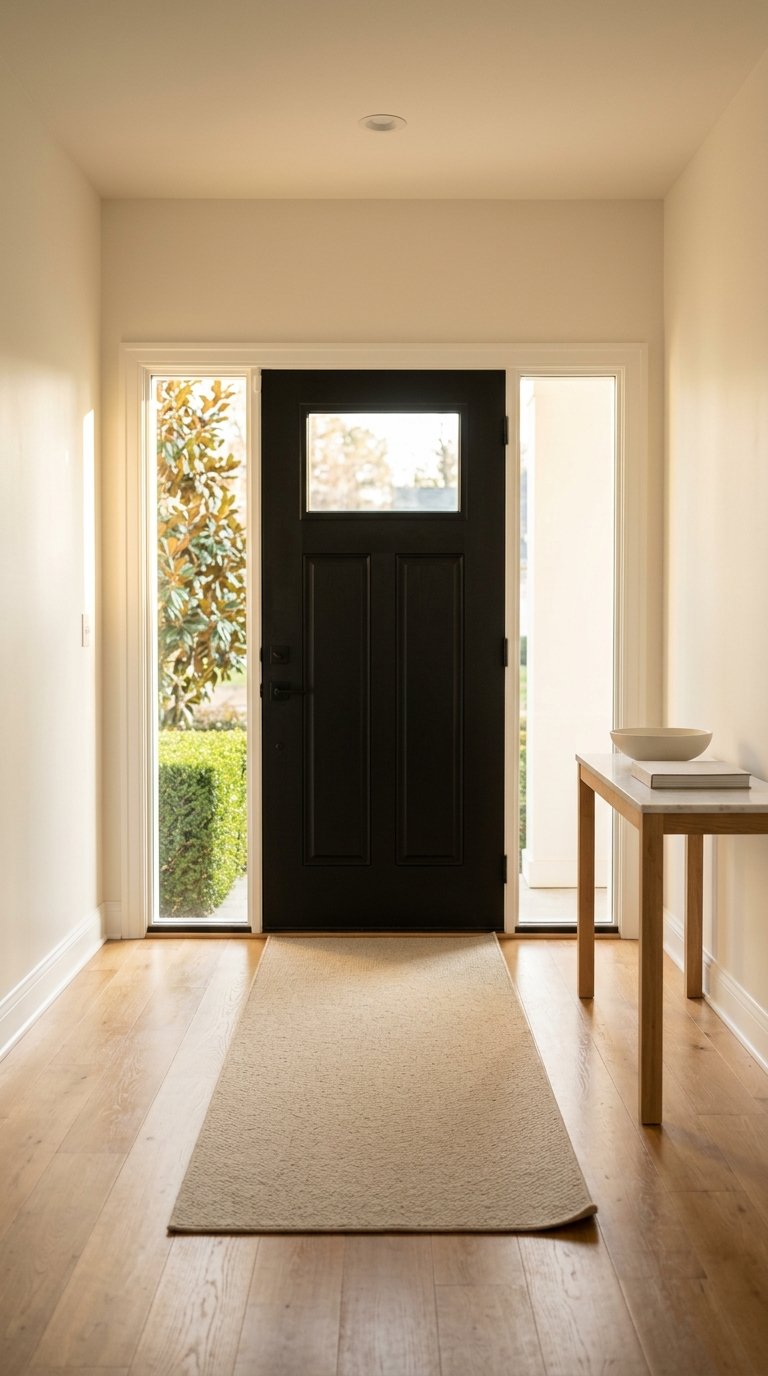
Listing Your Tuscaloosa Home With A Clear Game Plan
June 25, 2026
June 25, 2026
Selling your home without a plan can make even a strong market feel stressful. You may be wondering how to price it, when to list it, what to fix, and how to time your next move without feeling rushed. The good news is that a clear game plan can help you make better decisions, avoid surprises, and protect your bottom line. Let’s dive in.
Tuscaloosa is not moving at just one speed. In May 2026, Redfin reported a median sale price of $299,821 in Tuscaloosa, up 10.0% year over year, with homes selling in 34 days on average and a 97.5% sale-to-list ratio. That tells you there is still opportunity, but it also shows why pricing and preparation matter.
You are not listing into a market where every home gets whatever price the seller wants. Only 13.5% of homes sold above list price, and buyers are still watching monthly payments closely with 30-year fixed mortgage rates at 6.47% as of June 18, 2026. In plain terms, buyers may be active, but they are still price-sensitive.
That is why a game plan matters before your home goes live. You want to know your likely price range, your timing options, your repair strategy, and how your sale fits into your next purchase. A little clarity up front can save you weeks of frustration later.
One of the biggest mistakes sellers make is treating Tuscaloosa like one uniform market. It is not. Different parts of the city can behave very differently, and your plan should match the area and property type you actually own.
In the University Area, Redfin shows a median sale price of $488,836 over the three months ending May 2026, with 38 days on market and a 96.5% sale-to-list ratio. Some properties there receive multiple offers, but values vary widely based on exact location, condition, and product type.
Downtown Tuscaloosa is another example of why broad averages can mislead you. There were only two sales in the three-month sample ending February 2026, with a median sale price of $293,000. With a sample that small, one or two sales can swing the numbers a lot, so you need to be careful about reading too much into a headline median.
For central and Midtown listings, convenience can be part of the value story. Midtown Village is a major shopping and dining destination, and downtown Tuscaloosa is known for restaurants, cafes, entertainment, and year-round activity. If your home offers easy access to those areas, that can matter in the pricing conversation right alongside square footage and condition.
Before you sign a listing agreement, get clear on what you want the sale to accomplish. Are you trying to move quickly, maximize price, coordinate a move-up purchase, or reduce stress during a relocation? Your answers shape almost every decision that follows.
If you are also buying, timing matters even more. It helps to decide before listing whether you may need a purchase contingency, a leaseback, delayed occupancy, or flexibility on the closing date. A strong plan keeps you from making rushed decisions once showings and offers begin.
This is where a calm, no-pressure conversation can help. You do not need hype. You need a realistic path based on your timeline, your home, and what the current Tuscaloosa market is actually doing.
Alabama has a few important rules sellers should understand before moving forward. The Alabama Real Estate Commission says consumers should receive a written disclosure form at the initial contact and before confidential information is exchanged that explains the brokerage arrangement. If there is no signed brokerage agreement, transaction brokerage is the default.
A written listing agreement in Alabama must include a fixed expiration date, and the principal must receive a copy of that agreement. That makes it smart to talk through contract length, expectations, and what the plan is if the home does not sell as quickly as hoped.
Alabama law also says that when an offer is presented, the buyer or seller must be told about expected closing costs and the approximate amount. For you, that means net proceeds should be part of the conversation early, not an afterthought after you accept an offer.
A smart price is not pulled from a citywide average or an online estimate alone. It should come from recent sold homes that closely match your property by location, style, condition, and use. In Tuscaloosa, that level of detail matters.
The University Area shows why. Recent sold examples there ranged from a 1-bedroom condo at 1212 12th St #38 that sold for $286,900 after 42 days to a 3-bedroom property at 927 12th St #300 that sold for $1.65 million after 78 days. Other recent sales included units at $505,000, $600,000, and $862,000, each with very different days on market.
That spread tells you something important. Campus-adjacent value is not just about being near the University. It depends heavily on property type, finish level, condition, and exact location.
Citywide data supports the same point. Recent Tuscaloosa sales included one home that sold 2% under list after 20 days, another that sold at list after 31 days, and another that took 258 days to sell. In a market with a 97.5% sale-to-list ratio, even a slightly high price can slow your momentum.
The first two weeks on the market often matter the most. Redfin’s data shows 34 average days on market citywide and 38 days in the University Area, but some hot homes go pending in about 8 to 12 days. That early window is when your pricing, presentation, and showing strategy get tested.
If your home is going live, make it easy for buyers to say yes. That means strong photography, a showing schedule that is as flexible as possible, and a plan for reviewing feedback quickly. If buyers keep raising the same objection, you want to spot that pattern early.
Momentum is hard to fake once it is gone. A home that launches well can attract better interest and stronger terms. A home that starts too high or shows poorly may spend longer on the market and end up chasing the market down.
You do not need to renovate everything before listing, but you do need a plan. AREC guidance supports answering property-condition questions honestly and disclosing hidden defects known to the licensee that could affect health or safety. That makes pre-listing repair and disclosure conversations important.
A practical pre-listing checklist can include:
This step is not about perfection. It is about reducing surprises and helping buyers understand the home clearly. When expectations are clear, negotiations often go more smoothly.
Buyers do not only compare square footage. They also compare convenience, lifestyle fit, and day-to-day function. That is especially true in central Tuscaloosa, Midtown, and near campus.
If your home is close to Midtown Village, downtown dining, entertainment, or other daily conveniences, that can be part of the value story. You are not making exaggerated claims. You are helping buyers understand how the location fits their routine.
The key is to keep that story factual and relevant. A good listing plan highlights the real features that shape buyer demand in your micro-market, whether that is convenience, access, condition, lot size, or layout.
Showings can feel disruptive, so it helps to think through them before launch. Decide how much notice you need, what hours work best, and how you will keep the home ready. A clear showing plan reduces stress once activity picks up.
You also want a process for handling feedback. If the first few buyers all react positively, that is useful. If they consistently mention price, condition, or layout concerns, that is useful too.
Fast feedback leads to better decisions. In a payment-sensitive market, waiting too long to respond to buyer objections can cost you valuable momentum.
For move-up sellers, listing is only half the plan. You also need to know what comes next. That includes where you want to go, how soon you need to move, and how much flexibility you have if your home sells quickly.
With mortgage rates still in the mid-6% range, payment sensitivity remains real. That can affect both the buyers looking at your current home and the options available for your next purchase. A coordinated plan helps you avoid getting squeezed on both sides of the move.
Before listing, it helps to answer a few practical questions:
When you know those answers early, negotiations become much simpler.
A strong listing plan is not complicated, but it should be intentional. In most cases, it includes pricing from true micro-comps, a repair and disclosure plan, a launch strategy, and a timeline for your next move.
It should also include clear expectations. That means understanding likely buyer feedback, knowing your estimated closing costs, and having a plan if the home does not get the response you hoped for right away. Good strategy is not about guessing right once. It is about being prepared to adjust with good information.
If you want clear answers, tailored strategy, and no-pressure guidance as you prepare to sell, Micah Hill can help you build a smart listing plan for your Tuscaloosa home.



Get assistance in determining current property value, crafting a competitive offer, writing and negotiating a contract, and much more. Contact me today.